





What Are the Impacts of Stress on the Body and Mind?
Stress can affect nearly every system in the body, from your heart and immune system to your digestion, muscles and mental health. While short-term stress is a normal response to everyday challenges, chronic stress can contribute to health problems when the body remains in a heightened state for too long.
Our stress response, commonly referred to as the “fight-or-flight” reaction, can be triggered by everyday challenges such as work pressures, financial worries, traffic congestion and family obligations. But how do these stressors affect our bodies and mental health?
In this article, we’ll look at three types of stress and examine how prolonged exposure to stress can impact you mentally and physically.
What does stress do to the body?
Stress triggers the release of hormones such as cortisol and adrenaline, which prepares the body to respond to a perceived threat. In the short term, this can increase heart rate, breathing and muscle tension. When stress becomes chronic, those responses can contribute to longer-term physical and mental health problems.
Types of Stress
There are three main types of stress that a person experiences:
- Acute stress
This is short-term stress that everyone faces from time to time. It typically arises from temporary challenges, like meeting a deadline or having an argument. Acute stress can cause physical reactions, such as a racing heart or sweaty palms. - Episodic stress
When acute stress becomes frequent, it can make it harder to return to a relaxed state. People who tend to overcommit or worry constantly often experience episodic acute stress. The effects are similar to acute stress but can also include irritability, anxiety and digestive issues. - Chronic stress
Chronic stress occurs when someone feels stressed for weeks — or even longer. It is often triggered by ongoing challenges like financial problems, work issues or relationship struggles. This type of stress is the most harmful because it causes prolonged elevation of the stress hormone cortisol, which can increase the risk of serious health problems over time.
How Does Stress Affect the Body?
The physiological impacts of stress are extensive and affect several areas of your body. Below, we discuss some of the common impacts that stress causes in each bodily system:
Cardiovascular and Respiratory System
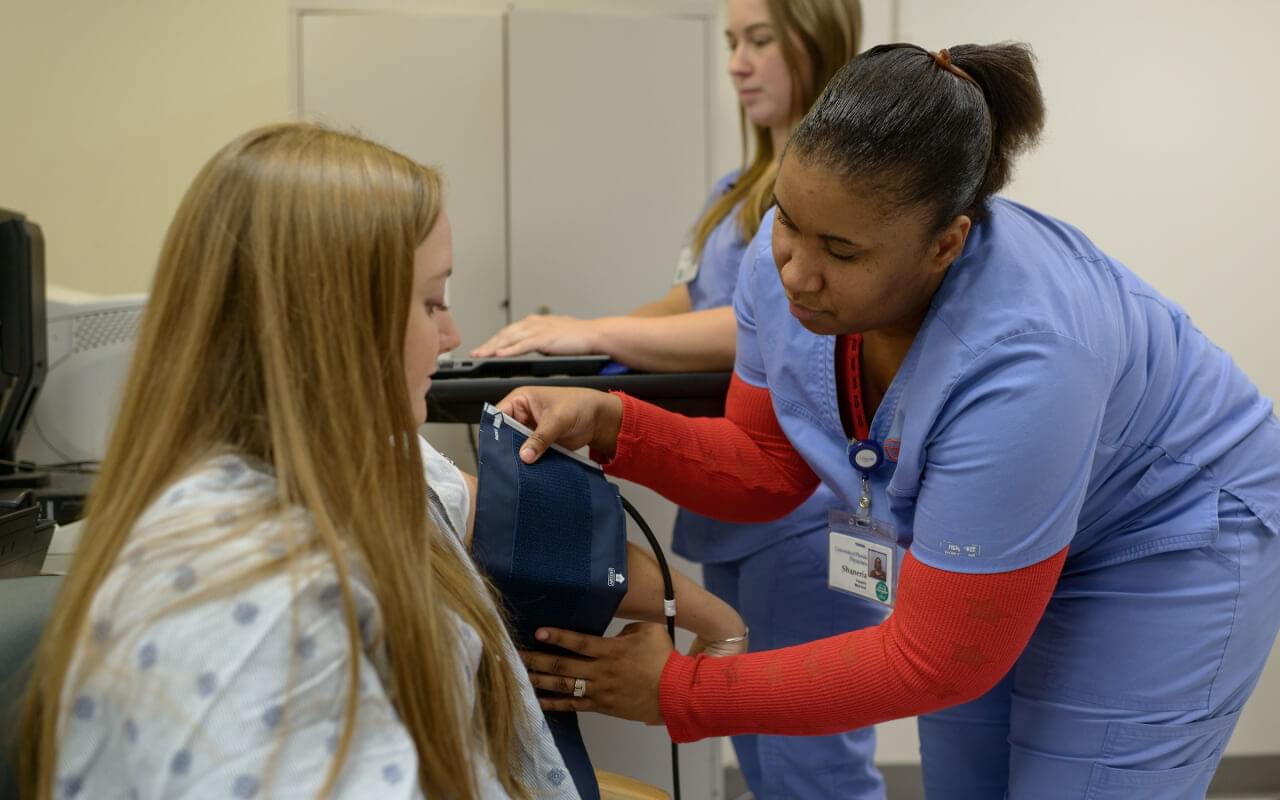
- Increased blood pressure
The release of cortisol can cause your heart to beat faster and narrow your blood vessels, leading to a temporary increase in blood pressure. - Increased breathing rate
In stressful situations, your breathing often quickens to supply more oxygen to your muscles. For individuals with pre-existing conditions such as asthma or emphysema, this can exacerbate breathing difficulties as stress causes airway constriction. - Increased risk of heart disease
Chronic stress can keep blood pressure elevated for long periods, significantly raising the risk of developing cardiovascular issues such as heart disease, heart attacks or strokes.
Immune System
When stress persists, the prolonged release of cortisol and other stress hormones can suppress the immune response, leaving you more vulnerable to infections and slowing down your recovery time. Over time, this weakened immune state increases the risk of both acute illnesses and chronic conditions.
Digestive System
Have you ever felt a sudden case of nerves before a big work meeting or job interview? Maybe you experienced butterflies that turned into an impromptu trip to the bathroom. Whatever the trigger, stress can wreak temporary havoc on your digestive system in several ways.
Sometimes stress causes gastrointestinal issues, like irritable bowel syndrome or acid reflux. It may also impact your appetite, causing you overeat or lose your appetite altogether. These effects may stem from the brain-gut connection, a network of nerves that allows the brain and gut to communicate. During periods of stress, the gut may become hypersensitive, leading to discomfort, bloating or other digestive disturbances.
Musculoskeletal System
When you’re stressed, your muscles become tense. During short-term (acute) stress, this tension usually dissipates once the stressor is gone. However, chronic stress can leave your muscles in a constant state of tightness, which may lead to:
- Headaches
- Back pain
- Worsening of musculoskeletal conditions such as fibromyalgia
How Does Stress Affect Mental Health?
How Does Stress AffeYour mind isn’t the only part of your body affected by short- or long-term stress. Chronic stress can also take a toll on your mental health, causing numerous issues, like:
- Anxiety disorders
- Depression
- General burnout
- Difficulty concentrating
- Low sex drive
Stress Management Techniques
While stress can sometimes feel unavoidable, there are proactive steps you can take to minimize its impact:
- Mindfulness and relaxation techniques
According to a study by the National Institutes of Health, regular meditation practice can help reduce cortisol levels in the body, promoting both mental and physical relaxation. Additionally, deep breathing exercises and yoga are effective methods for counteracting the physiological effects of stress. These practices can enhance emotional well-being and provide tools for managing stress in everyday life. - Therapy
Counselors and therapists offer various techniques to help patients manage stress, ranging from traditional approaches like cognitive behavioral therapy (CBT) to more contemporary methods such as mindfulness-based stress reduction (MBSR). - Lifestyle changes
Exercise releases endorphins, which can naturally give you a boost in the mood department. It can also improve your sleep quality, which is essential for reducing stress.
Explore UF’s Graduate Programs in Medical Sciences
Recognizing the impacts of stress on both the body and mind is crucial, especially for those considering a career in the medical field. If you’re interested in deepening your understanding of the physiological responses to stress and how they relate to health outcomes, the University of Florida offers several online graduate credentials in medical sciences to choose from:
- Master’s Degree in Medical Physiology and Pharmacology
- Master’s Degree in Medical Physiology and Aging
- Master’s Degree in Medical Anatomy and Physiology
- Graduate Certificate in Medical Physiology
- Graduate Certificate in Medical Physiology with a specialization in Cardiovascular/Renal Physiology
- Graduate Certificate in Medical Anatomy and Physiology
- Graduate Certificate in Medical Human Anatomy Explore our course offerings to find the path that aligns with your professional aspirations.
Explore our course offerings to find the path that aligns with your professional aspirations.
When you’re ready, the application — and your future — are just a click away.
Sources:
https://my.clevelandclinic.org/health/diseases/11874-stress
https://www.mayoclinic.org/healthy-lifestyle/stress-management/in-depth/stress/art-20046037
https://www.apa.org/topics/stress/body
https://my.clevelandclinic.org/health/body/the-gut-brain-connection
https://pubmed.ncbi.nlm.nih.gov/22377965/