Pharmacology
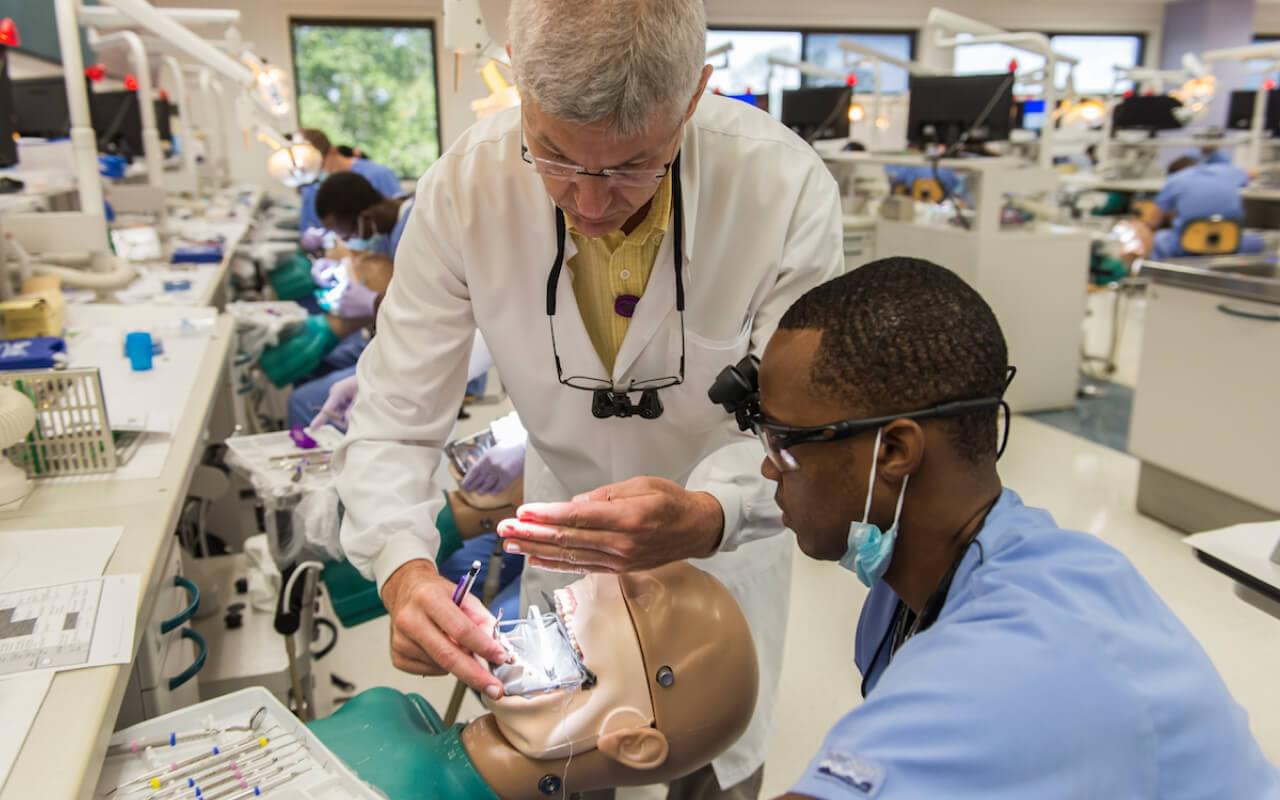
What Is Anesthesia? How It Works in the Body Anesthesia uses medicine to prevent pain, awareness or movement during medical procedures. It helps the body get through something it would rather not experience in real time. Depending on the procedure, anesthesia may numb one small area, block sensation from a larger region or place the whole body into a controlled, unconscious state. Although the type that springs to mind first might be the assisted “sleep” that keeps the body still and unaware during major surgery, anesthesia can also numb a tooth, block pain during a C-section or give you the best nap of your life during your colonoscopy. This article covers: What anesthesia is How anesthesia works in the body How local anesthetics work How regional anesthesia works How general anesthesia works What happens after anesthesia wears off What Is Anesthesia? Anesthesia is a medical treatment that uses drugs called anesthetics to reduce or block pain during procedures. Anesthetics are medications that change how the nervous system senses pain, responds to stimulation or maintains awareness. Physicians and care teams may use anesthesia for surgery, dental work, biopsies, childbirth, diagnostic tests and other types of medical care. Here are the main types: Local anesthesia numbs one small area, like part of the mouth during a dental filling or a patch of skin before stitches. Regional anesthesia blocks sensation from a larger area, such as the lower body during some C-sections. General anesthesia affects the whole body and causes unconsciousness during major procedures. Sedation helps a patient relax and may reduce awareness, depending on the level of sedation used. The right type depends on the procedure, the patient’s health and how much pain control or stillness the physician needs to perform the procedure safely. How Does Anesthesia Work in the Body? Anesthesia works by changing how nerve cells send, receive or interpret signals. When the body detects pain, nerves send electrical and chemical messages through the spinal cord to the brain. The brain then interprets those messages as pain, pressure, heat or another sensation. Anesthetics interrupt that process at different points. Local and regional anesthetics can stop pain signals near the source or along major nerve pathways. General anesthetics can change how nerve cells communicate in the brain and central nervous system, which reduces awareness, memory, movement and pain during a procedure. Basically, anesthesia tells the nervous system, “Let’s not forward this message to management.” How Do Local Anesthetics Work? Local anesthetics work by stopping nearby nerves from sending pain messages to the brain. They do this by blocking sodium channels, which nerves need to create the tiny electrical signals that carry sensation
Physiology
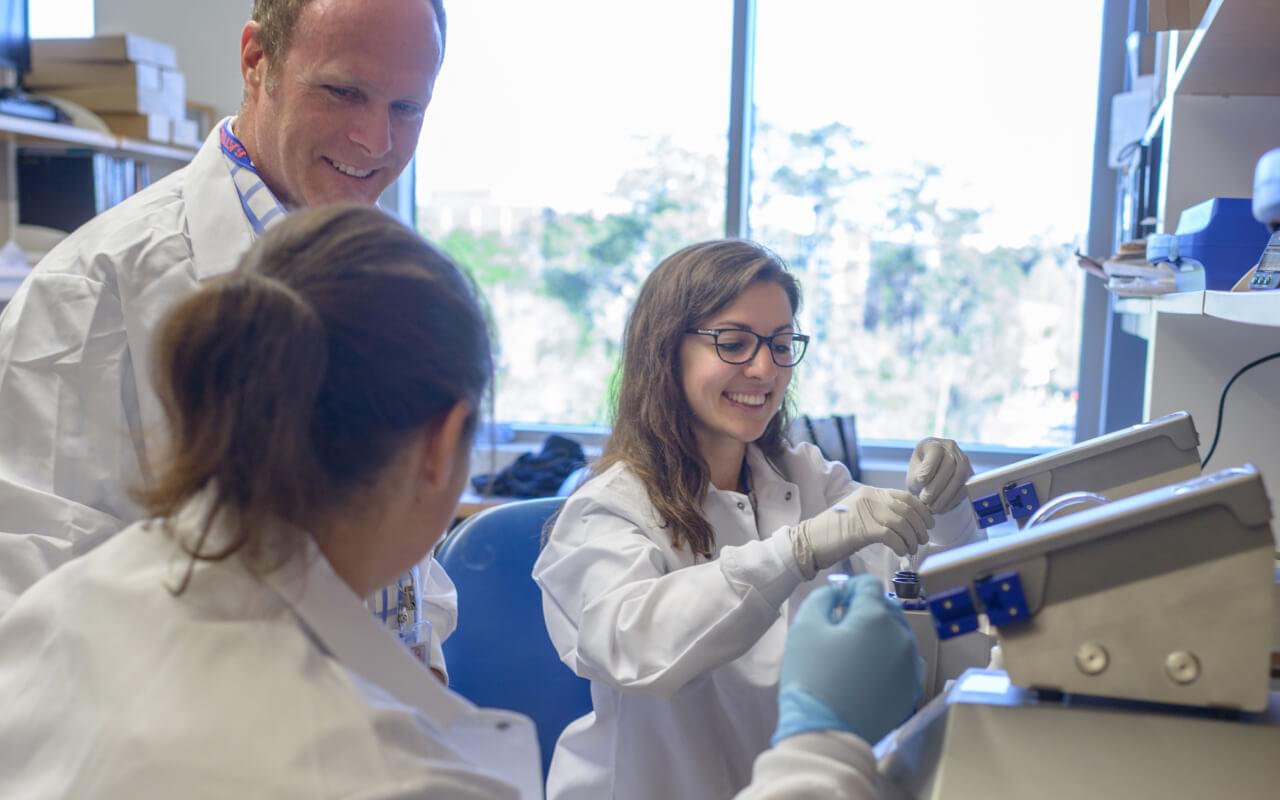
What Is a Biotechnology Curriculum Designed to Teach? A biotechnology curriculum teaches students how biology, medicine, research and technology can work together to solve real-world problems. That might sound like science brochure copy, but hear us out. Biotech shows up in genuinely life-changing places: drug development, cancer research, genetic testing, diagnostic tools, vaccines and digital health, to name a few. So, no, biotech courses aren’t only about memorizing cell diagrams. A strong education in biotechnology helps students understand how the body works, how cells communicate, how treatments affect living systems and how research translates into healthcare solutions. This article covers: How a biotech education can prepare you for health science careers Common biotech curriculum courses and why they matter How UF’s online graduate program in medical physiology and pharmacology supports biotech career goals What Can a Biotechnology Education Prepare You For? Biotechnology isn’t a single career path. It’s a field where biology, healthcare, technology and research often overlap. Students with a background in biotechnology or related medical sciences often pursue work in areas like: Pharmaceutical science Clinical research Laboratory science Drug development Healthcare technology Medical research Biotech and digital health Graduate or professional healthcare programs The best biotech courses help students build flexible skills for different settings, from clinical trials to advanced health-related programs. The Biotech Courses That Build Career-Ready Skills If you’re interested in a biotech-related career, courses in physiology, pharmacology and therapeutics can be especially valuable. These subjects explain what’s happening inside the body, which makes the dots easier to connect in a healthcare role or future graduate program. Here are a few course areas that can give students a stronger foundation in biotech-related medical science. #1 Physiology: The Course That Teaches You How the Body Works Before students can understand how disease affects the body, they need to understand how the body works. That’s where physiology comes in. Physiology courses explore how major body systems function, including the: Heart Lungs Kidneys Muscles Nervous system Endocrine system Physiology matters because biotech often starts with a basic question: What’s happening inside the body? If a new medication affects blood pressure, someone in biotech should understand how the cardiovascular system works and what can change when it’s under stress. That knowledge shapes how students approach disease, research and treatment development. #2 Pharmacology and Therapeutics: The Courses That Show How Treatments Work If physiology explains how the body works, pharmacology explains what happens when you throw a foreign chemical into the mix and ask it to fix something. Pharmacology and therapeutics courses teach students how drugs affect cells, tissues, organs and body systems. Take ibuprofen, for example. It doesn’t "fix" pain in some vague sense; it blocks specific enzymes (COX-1 and COX-2) that produce the chemicals responsible for inflammation and pain signals. That's the type of mechanism pharmacology students learn to trace: not just what a drug does, but exactly how and why. This is where biotech education connects to real-world healthcare
Pharmacology
The Future of Vaccines: How New Technology Is Shaping Immunity For most of human history, vaccine development followed the same basic formula: Find a weakened or killed version of a pathogen, inject it and let the immune system figure out the rest. The good news? It worked remarkably well. The bad news? It was like the Pony Express: It got the job done but wasn’t exactly built for speed. When mRNA vaccines arrived, however, this timeline was rewritten. What used to take ten years happened in ten months. And that quick turnaround? It wasn’t luck. It was the result of decades of scientific progress informing a singular moment in science
Anatomy
What Makes a Great Anatomical Sciences Educator? If you’ve ever sat through a three-hour lecture on the brachial plexus, you probably already know this: Knowing anatomy and teaching anatomy are not the same. Sure, teaching anatomy and physiology requires a strong understanding of the human body. But effective teaching takes more than that. Educators also rely on clarity, empathy and strong communication skills to make difficult material clearer and easier to remember. Think of it as the difference between being a great chef and being a great cooking instructor — the skills overlap, but they're not identical. So, what makes an anatomy professor truly great? Here are five qualities that set great educators in anatomical sciences apart. 1. Deep Knowledge, Taught with Purpose Well-versed anatomy educators have a deep understanding of gross anatomy, histology and embryology and can move between them without missing a beat. They’re always ready to field an unexpected question from curious students (and trust us — students will always find the one question you didn't prepare for). But subject mastery alone doesn’t guarantee effective teaching. Great anatomy educators teach in a way that shows why the material matters
Pharmacology
What Is Precision Medicine? A Simple Guide to Personalized Treatment For most of medical history, treatment worked like this: You get sick, a doctor figures out what's wrong and you get the same medication that works for most people with that condition. It's a reasonable system. It's also a little like buying pants in one size and hoping for the best. Precision medicine, also called personalized medicine, is the alternative. The goal is to help providers choose treatments more likely to work for the right patient at the right time. Pharmacology plays a major role in making that possible. What Is Precision Medicine? Precision medicine is an approach to healthcare that tailors treatment to the individual rather than the general population. Instead of asking, "what works for most people with this condition?", it asks: "What will work best for this specific person, given their unique biology?" That might mean: Choosing a cancer drug based on the genetic makeup of a patient's tumor Adjusting a medication dose based on how someone's liver processes it Identifying that a common treatment could be harmful for someone with a particular genetic variation Precision medicine began in oncology, but its success and popularity have extended its reach into everyday clinical care. The goal remains the same: Get the right treatment to the right person at the right time. How Pharmacology Supports Personalized Medicine Pharmacology is the study of how drugs interact with the body. It’s what makes precision medicine ... well, precise
Aging
Intermittent Fasting and Aging: Benefits and Risks for Older Adults Maybe you've tried it: No food from 8 p.m. to noon the next day, lying awake at 11 p.m. thinking about that lonely bowl of pasta sitting in your fridge. Or maybe you've just heard people swear by it and wondered whether any of it actually holds up, especially as you get older. Intermittent fasting (IF) has become more than just a health trend
Anatomy
From Cadavers to Virtual Reality: The Evolution of Anatomy Education Here's something most people don't know about the history of anatomy: public dissections used to be a spectator sport. In Renaissance Europe, anatomists like Andreas Vesalius would perform dissections in packed theaters: part scientific demonstration, part live event. People showed up. It was a thing. Science has come a long way since then and so has the way it's taught. And if you're an educator or clinician with a stake in how anatomy gets passed down to the next generation of healthcare professionals, understanding that evolution isn’t just fascinating — it’s professionally relevant. What Is Anatomy Education? Anatomy education is the structured teaching of how the human body is built and how its parts work together. It's an early step and a rite of passage in medical and healthcare training, and it's been evolving continuously since the ancient Greeks started asking questions about what was going on inside the human body. It’s also a field that never stops evolving. New tools, new research and a new understanding of how people actually learn have all pushed anatomy education forward. What worked for a small group of medical students in the 1800s doesn't scale well to the demands of modern healthcare education. How Was Anatomy Taught Before Modern Technology? For most of medical history, anatomy education had one primary method: dissection
Physiology
How Do Muscles Heal? Understanding Muscle Repair and Regeneration We’ve all been there at some point: You try a new workout, help a friend move or sprint after your toddler like you’re still 22. The next morning, you sit down and immediately regret every life choice that led you there. Post-exercise soreness — or even a full-blown muscle strain — can feel dramatic. But underneath those stiff muscles, something incredible is happening. Your body is running a highly coordinated muscle repair process designed to heal, rebuild and (in many cases) come back stronger. In this article, we explore: How muscle healing actually works The stages of muscle healing How long it takes for muscles to heal Whether a torn muscle can heal itself What helps (and hurts) muscle regeneration What Happens When You Tear Muscle Fibers? When you tear muscle fibers, the damaged cells break down, inflammation begins and your body immediately starts the repair process. During exercise — like lifting weights, sprinting or stretching under load — you create microscopic tears within your muscles. If you’re training for strength or size, this is intentional. As those tiny tears repair, the muscle adapts and grows stronger
Physiology
How Does the Immune System Fight Pathogens? An Immunophysiology Guide Your immune system is constantly working behind the scenes to protect you from illness. When a pathogen, like a virus or bacteria, enters the body, your immune system recognizes that something doesn't belong and begins responding to the threat. Some defenses act almost immediately, while others learn to recognize a specific invader and so they can respond faster if it returns. That process is at the heart of immunophysiology, the study of how the immune system functions within the body. Understanding it helps explain why we can fight off some infections quickly, why others keep us in bed for a week (no passing Go, no collecting $200, thank-you-very-much) and how the body can become better prepared for future exposure. So, how does the immune system fight pathogens? Let’s look at what happens once a threat enters the body. What Are Pathogens? Pathogens are microorganisms or other infectious agents that can cause disease
Physiology
How Does Exercise Affect Your Body? Short- and Long-Term Effects Exercise affects nearly every system in your body. In the short term, it increases your heart rate, breathing and energy use while activating your muscles. Over time, regular physical activity can improve cardiovascular health, build strength and bone density, increase endurance and support a healthy metabolism. It’s easy to push exercise to the bottom of your to-do list. You might catch yourself saying, “I’m too tired,” or “I’ll do it tomorrow” time and again. But you don’t need to stick to one type of workout to experience the benefits of exercise