










Longevity Risk: How Living Longer Is Reshaping the Economy
People are living longer than ever. But what does that mean for the economy? Explore longevity risk and the growing longevity economy.
Every course is taught by accomplished UF faculty — researchers, scholars and educators bringing real-world expertise directly to your screen.
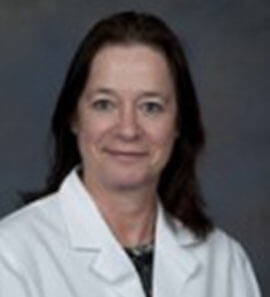
General areas of interest: Renal hemodynamics; Blood pressure control; Kidney in pregnancy; Aging kidney; Sexual dimorphism in kidney function and blood pressure control; Nitric oxide in renal physiology and disease; Progression of kidney disease; Vascular endothelial function.
Dr. Baylis established the Department of Physiology Distance Learning Program. She was course co-ordinator of 2 advanced graduate courses (Advanced Renal Physiology and Pathophysiology, GMS 6414) and Recent Advances in Hypertension Research (GMS 6413). She also lectured to Medical, Graduate and Dental students.
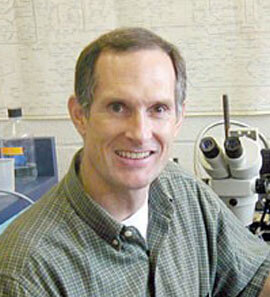
Research in my laboratory centers on the cellular physiology, molecular biology, and regulation of organic solute transport across plasma membranes. Current research projects concern cytokine and peptide growth factor regulation of membrane L-arginine transporter isoforms in lymphocytes, cultured brain glial and neuronal cells, and cultured intestinal adenocarcinoma cells.
Other projects concern the regulation of transporters and membrane-bound enzymes by specific nutrients. Using radiation inactivation by a 13-MeV linear accelerator, we are collaborating in investigating the molecular arrangement of membrane-bound transporter polypeptides and putative regulatory subunits. The cloning of specific transporters and the mechanism by which the polypeptides behave in membranes is being studied using electrophysiological techniques in oocytes injected with cRNA. An additional project in collaboration with NASA concerns myosin isoforms and the intermediary metabolism of amino acids in exercising skeletal muscle.

The research in my laboratory is focused on better understanding the function of the tyrosine kinase, Jak2, and its role in human disease. Jak2 is expressed in nearly every tissue in the body. It is essential for life as animals lacking a functional Jak2 allele die during embryonic development. On the other hand, studies over the past decade have demonstrated that too much Jak2 kinase activity correlates with several human diseases including cardiovascular disease, diabetes and several types of cancer.
Additionally, recent data has demonstrated that a specific Jak2 mutation, Jak2-V617F, is the cause of several types of blood disorders. Work in the lab is aimed at better understanding how Jak2 function is regulated within the cell and how we might be able to develop specific Jak2 inhibitors. Our hope is that we may one day be able to inhibit diseases that are caused by Jak2. A variety of cellular, molecular, genetic, biochemical and bio-informatic techniques are used for these studies.

A long-standing research interest is to understand the mechanisms underlying the massive systemic maternal vasodilation and increased arterial compliance that transpire during normal pregnancy. Another is the dysregulation of these maternal circulatory adaptations in preeclampsia (a hypertensive disease of pregnancy), and the potential etiological role of aberrant endometrial maturation in the defective placentation associated with preeclampsia and other placental syndromes, such as intrauterine growth restriction. Ultimately the goal is to apply the new knowledge gained from these investigations towards the development of mechanistic-based preventative, therapeutic and curative measures for these obstetrical diseases.
We found that the ovarian hormone relaxin is a potent vasodilator in the systemic and renal circulations, and that it contributes to the remarkable changes in the vasculature during pregnancy. These discoveries provided the scientific basis and motivation for pursuing the hormone as a therapy for afterload reduction in heart failure. We unveiled endothelial mechanisms of systemic vasodilation in pregnancy, and here our independent investigations of the cardiovascular effects of pregnancy and relaxin converged, leading to the elucidation of endothelial mechanisms for both “rapid” and “sustained” vasodilation by relaxin. We also observed that, unexpectedly, relaxin was equally potent in the vasculature of males, and to explain this finding we hypothesized the existence of local relaxin ligand-receptor expression and function in arteries, for which we subsequently provided both molecular and functional evidence.
More recently, we found a new role for relaxin in bone marrow angiogenic progenitor cell mobilization and function, and in the context of pregnancy. A final aim has been to apply the “lessons learned from pregnancy” to further understand and treat cardiovascular disease in the non-pregnant population (e.g., heart failure). It should be noted that we always strive to translate discoveries made in preclinical investigations to humans.


Questions? Contact Us
Key Information