





Spotlight on Career Paths: Physician Assistant
You won’t always see a doctor at the doctor’s office. A physician assistant (PA) treats patients, too. PAs work closely with doctors and provide much of the same care, from diagnosis to treatment. A doctor can have thousands of patients. (You do the math.) PAs ensure patients get the attention they need.
Being a physician assistant is a challenging but rewarding career. PAs see the impact of their care firsthand, and helping and healing people can be its own reward — but these jobs also pay well.
Thinking about a career as a PA? You’ll need specific training and credentials, including a deep understanding of anatomy and physiology. This guide takes a detailed look at the role of physician assistant, including what’s needed to become a PA, what they do, their earnings and job outlook.
What Do Physician Assistants Do?
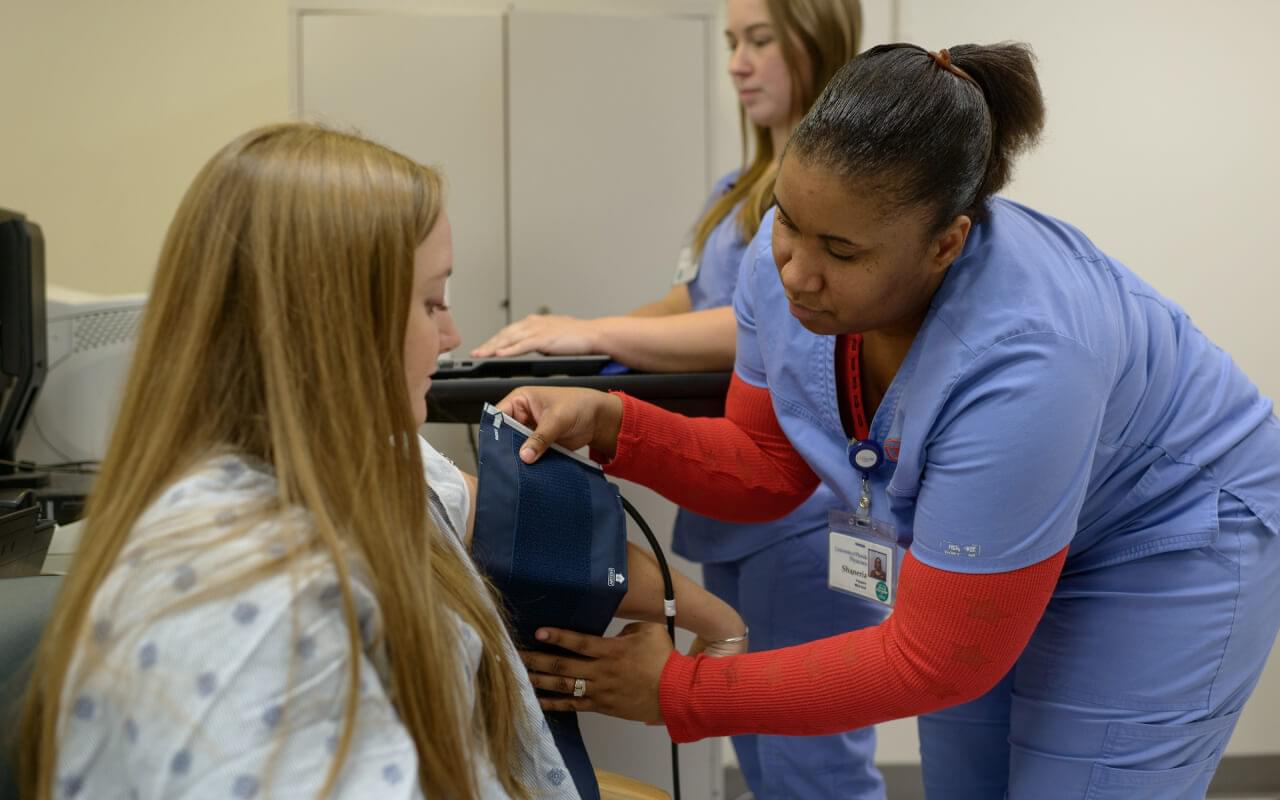
Think of physician assistants as all-around healthcare providers. Their role is hands-on and varied, and no two days will look the same. On a typical day, PAs:
- Check and take patients’ medical histories
- Ask patients about their health concerns
- Order tests and review results (EKGs, X-rays, blood work, etc.)
- Perform examinations
- Diagnose patients’ medical issues
- Treat patients (e.g., set broken bones, suture wounds, give injections)
- Explain treatment and health management options to patients and families
- Prescribe medications
- Follow up on the progress of return patients
When not helping patients, physician assistants often brush up on research and treatment advances to make sure they’re providing the best care.

Where Do Physician Assistants Work?
You’ll find PAs anywhere you find physicians. Here are their typical workplaces, from most to least common:
- Physicians’ offices
- Hospitals
- Outpatient facilities
- Government facilities
- Educational facilities
What’s a Typical Physician Assistant Salary?
According to the U.S. Bureau of Labor Statistics (BLS), median annual pay for physician assistants is $133,260.
The physician assistant salary range can vary by facility type, level of experience and location.
What’s the Job Outlook for Physician Assistants?
In short — excellent. The demand for physician assistants will grow quickly over the next decade, with a 20% growth rate through 2034. With the right qualifications, you could have your pick of PA jobs.
Wondering what’s behind this rapid job growth? The U.S. population is aging, and our physician population is shrinking. There are more patients with fewer doctors to treat them. Physician assistants will be vital in filling care gaps. If you’re considering becoming a PA, now’s a great time to get started.
How Do You Become a Physician Assistant?
The path to becoming a PA is shorter than you might think. It takes about half the time it takes to become an MD. PAs and nurse practitioners spend about the same amount of time in school, but PAs enjoy more career flexibility.
What’s the path from aspiring physician assistant to practicing PA? Use this checklist as your guide:
- Earn a bachelor’s degree in a health or science field.
- Gain real-world clinical experience through internships and entry-level positions.
- Consider earning a master’s degree focused on medical anatomy and physiology to make your PA school application stand out.
- Complete an accredited physician assistant school program.
- Pass the Physician Assistant National Certifying Exam (PANCE).
- Apply for and maintain a state license.
Physician assistant school admissions are competitive. Only about 36% of applicants secure a spot in a PA school program. You’ll need to show admissions committees you can handle multiple challenging science courses at once — and thrive doing it. A master’s degree focused on anatomy and physiology can make a real difference, especially if it’s not your first time applying.
Key Takeaways
TL;DR? Here’s a quick review of what we’ve learned:
- PAs provide many of the same services as doctors but need fewer years of training.
- Most work in offices, hospitals or outpatient facilities.
- The median annual salary is around $133,000.
- The field is growing rapidly, and 20% job growth is expected through 2034.
- Requirements include a related bachelor’s degree, clinical experience, PA school, certification and licensure.
- A master’s degree in anatomy and physiology can make a PA school application shine.
Prepare for PA School With an Online Master’s Degree
You’ve gained hands-on patient care experience. Now it’s time to bridge the gap between your clinical work and advanced medical education.
The University of Florida’s online master’s degree in medical anatomy and physiology gives you the deep scientific understanding PA school demands. You’ll build advanced knowledge in anatomy and physiology, gain advanced lab experience and take courses like medical cell biology, so you can walk into your PA program confident that you’ll keep pace.
Your degree also shows admissions committees you’ve mastered graduate-level science and are ready to tackle PA school. Stand out from thousands of applicants with coursework that proves your academic readiness.
Not ready for a full degree? Boost your anatomy, physiology and lab expertise with our 15-credit Graduate Certificate in Medical Anatomy and Physiology.
Looking for something else? Browse other UF programs that cover anatomy and physiology from different perspectives, plus pharmacology and aging.
Ready to make your PA application stand out? Apply here.