Aging
The Future of Aging Brains: Early Detection and Prevention of Cognitive Decline For decades, an Alzheimer’s diagnosis arrived only after the damage was done, when memory gaps became impossible to ignore and daily function had already eroded. That reactive model is changing, and doctors are learning to catch the disease earlier: sometimes years before the first missed appointment or forgotten name. This shift toward early detection is reshaping how we care for aging brains — and it’s already underway. Why Does Timing Matter in Alzheimer’s Care? Catching Alzheimer’s early gives doctors a head start, because the disease builds slowly long before symptoms show. Alzheimer’s is the most common form of dementia, accounting for 60 to 80% of all dementia cases
Anatomy
What Makes a Great Anatomical Sciences Educator? If you’ve ever sat through a three-hour lecture on the brachial plexus, you probably already know this: Knowing anatomy and teaching anatomy are not the same. Sure, teaching anatomy and physiology requires a strong understanding of the human body. But effective teaching takes more than that. Educators also rely on clarity, empathy and strong communication skills to make difficult material clearer and easier to remember. Think of it as the difference between being a great chef and being a great cooking instructor — the skills overlap, but they’re not identical. So, what makes an anatomy professor truly great? Here are five qualities that set great educators in anatomical sciences apart. 1. Deep Knowledge, Taught with Purpose Well-versed anatomy educators have a deep understanding of gross anatomy, histology and embryology and can move between them without missing a beat. They’re always ready to field an unexpected question from curious students (and trust us — students will always find the one question you didn’t prepare for). But subject mastery alone doesn’t guarantee effective teaching. Great anatomy educators teach in a way that shows why the material matters
Pharmacology
What Is Precision Medicine? A Simple Guide to Personalized Treatment For most of medical history, treatment worked like this: You get sick, a doctor figures out what’s wrong and you get the same medication that works for most people with that condition. It’s a reasonable system. It’s also a little like buying pants in one size and hoping for the best. Precision medicine, also called personalized medicine, is the alternative. The goal is to help providers choose treatments more likely to work for the right patient at the right time. Pharmacology plays a major role in making that possible. What Is Precision Medicine? Precision medicine is an approach to healthcare that tailors treatment to the individual rather than the general population. Instead of asking, “what works for most people with this condition?”, it asks: “What will work best for this specific person, given their unique biology?” That might mean: Choosing a cancer drug based on the genetic makeup of a patient’s tumor Adjusting a medication dose based on how someone’s liver processes it Identifying that a common treatment could be harmful for someone with a particular genetic variation Precision medicine began in oncology, but its success and popularity have extended its reach into everyday clinical care. The goal remains the same: Get the right treatment to the right person at the right time. How Pharmacology Supports Personalized Medicine Pharmacology is the study of how drugs interact with the body. It’s what makes precision medicine … well, precise
Aging
Intermittent Fasting and Aging: Benefits and Risks for Older Adults Maybe you’ve tried it: No food from 8 p.m. to noon the next day, lying awake at 11 p.m. thinking about that lonely bowl of pasta sitting in your fridge. Or maybe you’ve just heard people swear by it and wondered whether any of it actually holds up, especially as you get older. Intermittent fasting (IF) has become more than just a health trend
Physiology
What Is Vitamin D Synthesis? How UV Light Helps Your Body Make Vitamin D Are you getting enough vitamin D? If not, your body may be setting the stage for serious health issues later on. Vitamin D, often called “the sunshine vitamin,” is easy enough to come by: step outside, let the sun hit your skin, and allow your body to take care of the rest. But what if your corner of the world gets little (or no) daylight during certain parts of the year? Or what if — like the writer of this post — you rarely venture outside? We’re here to talk about vitamin D, how your body produces it naturally from sunlight and how to make sure you’re getting enough. Here’s a breakdown: What is vitamin D? Why is vitamin D important? What is vitamin D synthesis? How can you make sure you’re getting enough vitamin D? What Is Vitamin D? Vitamin D, or calciferol, is a fat-soluble nutrient your body uses to support bone health, muscle function and several organ systems. You can get it from natural and fortified foods and dietary supplements. But your primary source of vitamin D isn’t your plate; it’s your skin. When ultraviolet B (UVB) rays from sunlight hit your skin, your body gets to work synthesizing vitamin D. Why Vitamin D Matters, Especially for Bone Health Vitamin D behaves less like a typical vitamin and more like a hormone, influencing many of the body’s internal processes. It supports the immune, cardiovascular and endocrine systems, and low vitamin D has been linked to: Certain cancers Chronic pain Low mood Muscle weakness Vitamin D is best known for helping your gut absorb calcium and phosphorus, the key minerals your body uses to build and maintain strong bones. Without enough vitamin D, bones can become thin, brittle and misshapen over time
Careers
Why Clinical Physiology Expertise Matters in Modern Biotech Imagine that there’s a drug that’s cleared every preclinical hurdle. The molecular data looks clean, the animal models are promising — then it hits a human volunteer, and something goes wrong that no one saw coming. Today, AI-driven drug discovery, CRISPR gene editing and precision medicine platforms are pushing the boundaries of what’s possible. But no matter how advanced the technology or how powerful the algorithm, the foundation of biotechnology — the human body — hasn’t changed. And understanding it remains one of the most valuable skills a biotech professional can have. This article breaks down: Where physiology shows up in biotech work Why gaps in physiology knowledge are costing the industry What professionals can do to build physiology expertise Where Physiology and Biotech Intersect Why do biotech professionals need a solid grasp of physiology? Because there’s a lot going on inside the human body. Historically, researchers stayed in their lanes. Anatomists examined human structure. Pharmacologists focused on drug discovery. Physiologists studied how living organisms function
Anatomy
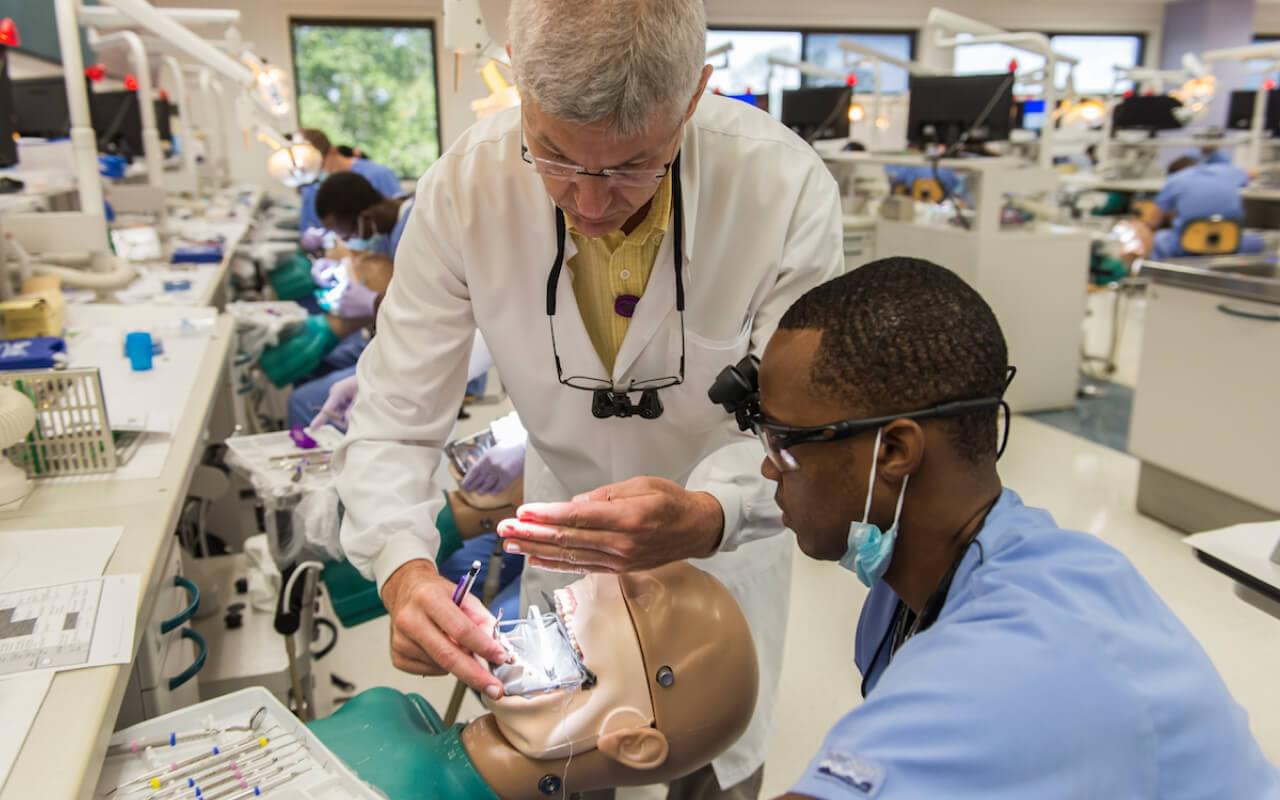
From Cadavers to Virtual Reality: The Evolution of Anatomy Education Here’s something most people don’t know about the history of anatomy: public dissections used to be a spectator sport. In Renaissance Europe, anatomists like Andreas Vesalius would perform dissections in packed theaters: part scientific demonstration, part live event. People showed up. It was a thing. Science has come a long way since then and so has the way it’s taught. And if you’re an educator or clinician with a stake in how anatomy gets passed down to the next generation of healthcare professionals, understanding that evolution isn’t just fascinating — it’s professionally relevant. What Is Anatomy Education? Anatomy education is the structured teaching of how the human body is built and how its parts work together. It’s an early step and a rite of passage in medical and healthcare training, and it’s been evolving continuously since the ancient Greeks started asking questions about what was going on inside the human body. It’s also a field that never stops evolving. New tools, new research and a new understanding of how people actually learn have all pushed anatomy education forward. What worked for a small group of medical students in the 1800s doesn’t scale well to the demands of modern healthcare education. How Was Anatomy Taught Before Modern Technology? For most of medical history, anatomy education had one primary method: dissection
Aging
Can Humans Live Forever? Imagine celebrating your 150th birthday and still feeling like you did when you were 40. Modern advances in genetics, medicine and biotechnology are leading scientists to reconsider what was once impossible: significantly expanding the human lifespan — and maybe even unlocking human immortality. This article examines: What human immortality means How long humans can actually live What scientists are doing to slow aging What Do We Mean by Human Immortality? Humans have always searched for a way to live forever, longing for that elusive Fountain of Youth. Today, that quest has a scientific name: human immortality, the idea of living indefinitely, free from biological aging. The quest for immortality spans centuries and cultures: Ancient Egypt had a large industry centered on death and immortality. 16th-century Europeans drank gold to slow down aging (yes, molten gold). Modern companies like the Alcor Life Extension Foundation freeze bodies in the hopes that we can revive them in centuries to come. As the world faces longer lifespans (the global 60+ population is expected to reach 2.1 billion by 2050) and lower fertility rates, scientists are tackling the age-old question: How can we extend our lifespans and eliminate aging? How Long Can Humans Live? The global human life expectancy today is a little over 70 years, but some experts believe humans could potentially live to 125. In 2024, an estimated 722,000 centenarians were alive worldwide. While not everybody will reach 100, that’s a sign that medical advances and technology are slowly increasing how many of us live longer, healthier lives. In 2025, a molecular biogerontology professor suggested humans could one day live to be 20,000 years old — provided science can combat aging. Futurist Ray Kurzweil goes further, claiming humans will achieve immortality by 2030 with the help of nanobots. Still, living longer doesn’t necessarily mean living healthier. To understand what limits human lifespan, scientists are exploring the biology of aging and how it affects disease. Why Biological Aging Makes Us Sick Biological aging is the greatest risk factor for most diseases, including: Heart disease Cancer Neurodegenerative conditions like Alzheimer’s disease Scientists often use the term “inflammaging” to describe the slow buildup of inflammation in our bodies that causes age-related diseases over time. Should Aging Be Classified as a Disease? Some scientists argue that aging itself should be reclassified as a disease, which would transform how medicine approaches longevity. Before the 1990s, osteoporosis was viewed as a normal part of aging. Today, it’s officially classified as a treatable disease caused by aging. Some scientists argue that aging could be reclassified in the same way. If reclassified, the way medicine approaches longevity could undergo some major changes: Researchers could develop drugs specifically targeting aging. Clinical trials could focus on slowing the aging process. Healthcare could shift from treating age-related diseases to preventing them. Lifestyle adjustments could become necessary, not optional. Can Scientists Actually Slow Aging? Researchers are exploring several experimental approaches that suggest aging may not be as inevitable as we thought. You may have heard of “biohacking”: trying supplements, therapies and other methods to slow aging
Careers
Medical Physiology and Pharmacology Careers: Where You Can Make an Impact Healthcare is one of the country’s fastest-growing sectors. But with a growing shortage of healthcare workers, there’s a real need for well-rounded professionals who are ready to step in and make a difference. A graduate degree in medical physiology and pharmacology gives you exactly that kind of readiness: a deep understanding of how the human body works and how treatments affect it. That foundation translates across clinical research careers, biotechnology, consulting, education and more. Benefits of a Medical Physiology and Pharmacology Degree What sets a medical physiology and pharmacology degree apart is its range. Healthcare is changing fast, and professionals who understand only one corner of it can find themselves boxed in. This degree imparts an understanding of human physiology and how treatments are designed to affect it: knowledge that moves with you as you narrow down your ideal career or pivot as your interests change. That kind of dual perspective prepares you for opportunities in: Healthcare Pharmaceuticals Biomedical research Medical tech companies Let’s look at a few career paths you can pursue. Careers in Medical Physiology and Pharmacology Clinical Research Associate (CRA) Median salary: Around $72,000 Before any new drug reaches pharmacy shelves, it has to survive clinical trials. Clinical research has become a massive global field, with over 163,400 active studies underway in the U.S. alone in 2026. As a CRA, you serve as the gatekeeper of new treatments and therapies, ensuring every data point is accurate and every participant is safe. What you’ll do: Travel to trial sites Verify that ethical and legal protocols are followed Your impact: CRAs help ensure that new treatments are safe and trustworthy. They catch errors and maintain participant safety as treatments move from discovery to patient care. Biostatistician Median salary: $104,350 If you’re more interested in the story hidden behind the numbers than direct patient care, biostatistician could be the role for you. These “data wizards” bridge healthcare and data science, translating complex datasets into insights that inform medical decisions. Employment in this field is expected to grow by 8% through 2034. What you’ll do: Analyze clinical trials and build statistical models Identify patterns in patient outcomes Your impact: Biostatisticians help global organizations like the World Health Organization (WHO) or Centers for Disease Control and Prevention (CDC) determine which treatments work and how to prevent disease outbreaks. Pharmacologist Median salary: About $189,000 Spending days in the lab isn’t for everyone. But for those passionate about discovering why a treatment works the way it does, a career as a pharmacologist can be incredibly rewarding
Aging
Cognitive Bias and Aging: How Ageism Shapes Our Perceptions Between replaying the same song lyric on a loop and wondering what time it is in some completely random city, the brain is constantly busy — and constantly making shortcuts to process information quickly. These shortcuts have a name: cognitive bias. They help people move through the world quickly, but they can also lead to snap judgments. When this bias is turned toward aging, it can reinforce negative assumptions about older adults and contribute to ageism.In this article, we break down: How cognitive bias fuels age stereotyping Where those assumptions show up in everyday life Why age-based bias can have real consequences for older adults How Cognitive Bias Contributes to Age Stereotyping Ageism refers to stereotyping or discrimination based on age. It often shows up in the assumptions people attach to older adults, like when someone assumes an older coworker is uncomfortable with technology before ever watching them use it