



How Hormonal Changes Affect Emotions, Mood & Mental Health in Women
Ever feel completely off? Maybe you’re more tired, overwhelmed or emotional than usual and you’re not sure why. Your hormones might be to blame.
We often think of hormones in terms of fertility, but they also play a crucial role in mental health. Recent research shows that hormonal changes can affect your mood, motivation and cognitive function.
For women, these hormonal shifts are especially significant. As women go through life stages like puberty, pregnancy and menopause, their hormone levels shift in unique ways. This can lead to emotional and cognitive changes that are often misunderstood or misdiagnosed.
Let’s look at how hormones affect the brain and why understanding them is so important.
What Do Hormones Actually Do?
Hormones are chemical messengers that carry instructions through the bloodstream. They influence mood and cognitive function by interacting with neurotransmitters like serotonin and dopamine. Together, these interactions form the foundation of understanding how hormones affect mood.
Because hormones also help regulate emotional balance, motivation and behavior, shifts in their levels can lead to noticeable emotional changes, which is why many people find themselves Googling, “How do hormones affect emotions?” Understanding that link can make those shifts feel a little less confusing — and a lot easier to talk about.
And these emotional changes aren’t happening in isolation. They connect to broader patterns in women’s long-term health.
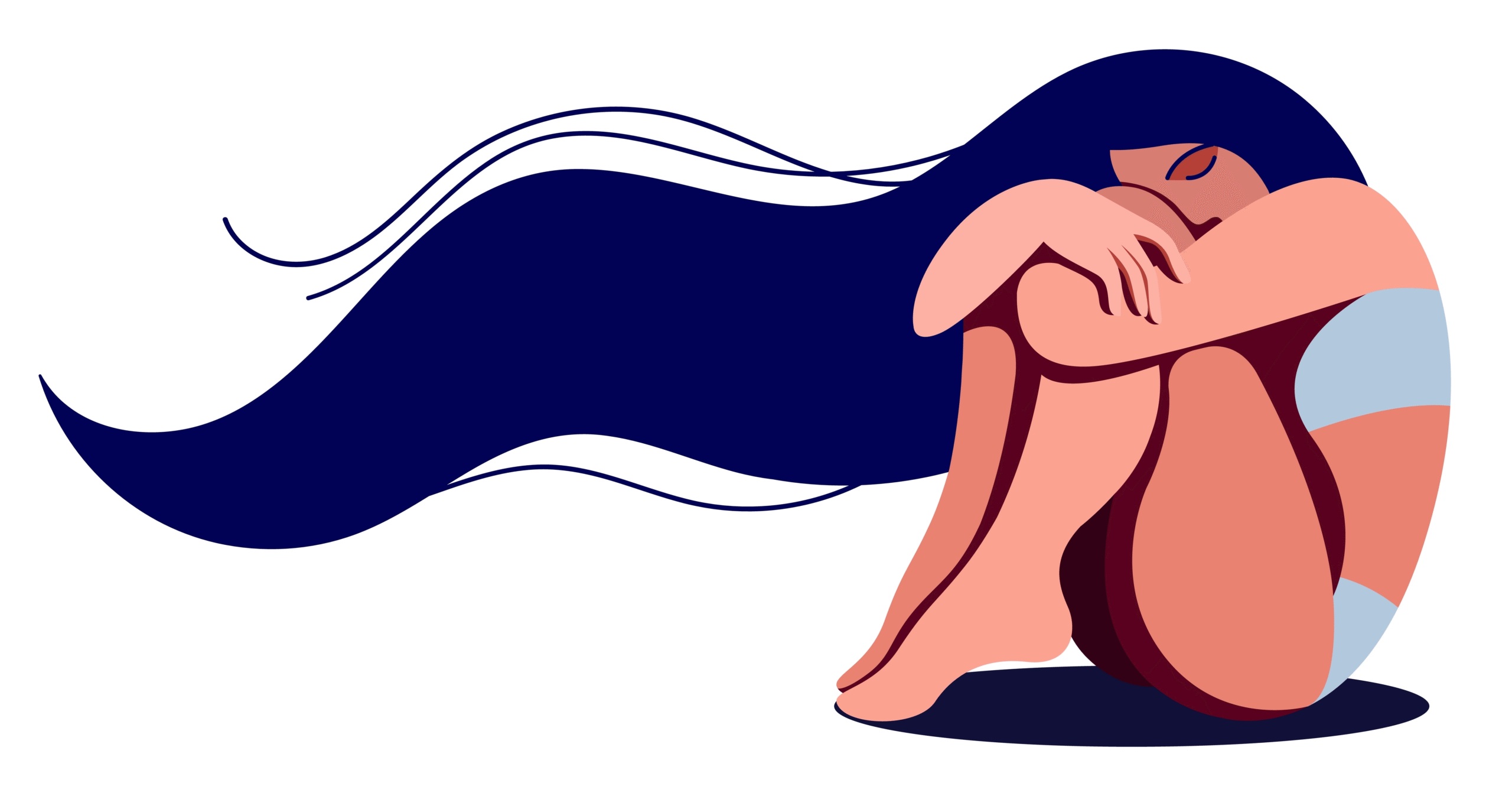
As a result, women are:
- Twice as likely to experience depression
- Four times more likely to suffer from migraines
- More likely to die from strokes
- At earlier risk of alcohol-related brain damage than men
Estrogen receptors and other female hormones influence mood, reasoning and memory. While men’s testosterone levels also fluctuate, they tend to stay relatively stable compared to the more cyclical hormone patterns in women.
Why Women’s Hormones Affect Mental Health Differently
Female hormones like estrogen and progesterone rise and fall across an approximate 28-day cycle. These shifts intensify during each woman’s life stages. Because these changes happen more frequently in women than they do men, women often experience stronger fluctuations in mood, stress response and cognitive clarity.
These shifts don’t happen randomly; they follow clear hormonal patterns that influence the brain.
Cyclical Hormones and Brain Health
Female hormones can double in concentration within 24 hours and shift dramatically throughout the month. These frequent changes make women more vulnerable to anxiety and depression, especially during puberty, pregnancy, postpartum and menopause.
Let’s break down some of the hormones responsible for these shifts.
Key Hormones and Their Roles
- Progesterone: This calming hormone helps regulate the menstrual cycle and supports pregnancy. It also increases GABA, a neurotransmitter that promotes sleep and eases anxiety.
- Estrogen: Estrogen affects much more than reproductive health. It boosts serotonin and dopamine, improves memory and mood, and supports mental clarity.
- Testosterone: Though often called a male hormone, testosterone is important for women, too. It impacts energy levels, motivation, confidence and even spatial thinking.
- Thyroid Hormones: Responsible for your metabolism, these hormones also influence mood, focus and cognitive sharpness. When thyroid levels are off, brain fog and fatigue often follow.
How Does Estrogen Affect Behavior in Females?
Estrogen plays a major role in shaping emotions, behavior and cognitive function. Beyond reproductive health, estrogen boosts serotonin and dopamine: the chemicals that regulate mood, motivation and emotional stability.
When estrogen levels are higher, many women feel more focused, social and confident. When levels drop — like before menstruation or during perimenopause — women may experience irritability, low mood, reduced motivation or heightened stress sensitivity. These shifts show how hormonal changes in women influence mood and day-to-day behavior.
The Diagnosis Gap: Why Women’s Symptoms Are Often Overlooked
Conditions like postpartum depression are frequently underdiagnosed. While it’s normal to experience the “baby blues” after giving birth, persistent sadness, guilt, or emotional disconnection can signal something deeper. In fact, 1 in 7 women experience postpartum depression — and nearly half don’t get the diagnosis or support they need.
Hormonal shifts during perimenopause (the years leading up to menopause) can also trigger mood swings, anxiety or depressive episodes. Many women feel “off,” forgetful or mentally foggy, yet these symptoms are often dismissed or misattributed.
So, why are women’s symptoms overlooked so often?
A key reason is the lack of adequate training in women’s health. A national study found that only 14% of U.S. medical schools offer a dedicated women’s health curriculum. Many OB/GYN residency programs provide little to no education on menopause or hormonal mental health. This gap in medical education leads to missed diagnoses — and too often, to women not being believed when they speak up about what they’re feeling.
How Can We Improve Women’s Healthcare?
The more we understand how hormones affect women’s mental and emotional health, the better care we can offer, not just in crisis but across every phase of life. Women deserve healthcare that’s informed, personalized and grounded in empathy, whether that’s early intervention for postpartum support, access to hormone therapy, nutritional guidance or counseling that considers the full spectrum of a woman’s experience.
When we bridge the gaps in education and research, we move closer to a system that listens to women, takes their symptoms seriously and supports them holistically. With better knowledge comes better care — beyond one-size-fits-all solutions.
Bridge the Gap in Women’s Healthcare With Medical Sciences
Want to help change women’s healthcare for the better? Understanding how hormones shape brain health isn’t just good science; it’s the foundation for better and more personalized healthcare for everyone. At the University of Florida, our flexible, entirely online graduate programs in medical sciences are designed to help you build that foundation.
Whether you want to explore neurophysiology, endocrine health or anatomy, our programs can prepare you for careers in research, clinical research or healthcare leadership. Choose from our master’s degrees in:
If you’re only looking to brush up your skills, UF also offers online medical sciences graduate certificate programs to stack onto your credentials.
You can be part of a new generation committed to compassionate, research-informed care. Explore UF’s medical sciences programs and discover your path to making a difference.
Sources:
https://www.webmd.com/women/ss/slideshow-hormone-imbalance
https://www.kernodle.com/obgyn_blog/how-types-of-hormones-affect-your-health/
https://www.technologynetworks.com/neuroscience/articles/from-menstruation-to-menopause-how-hormonal-shifts-shape-womens-brain-health-392016
https://www.morelandobgyn.com/blog/womens-hormones-the-main-culprits-for-changes-in-your-health